
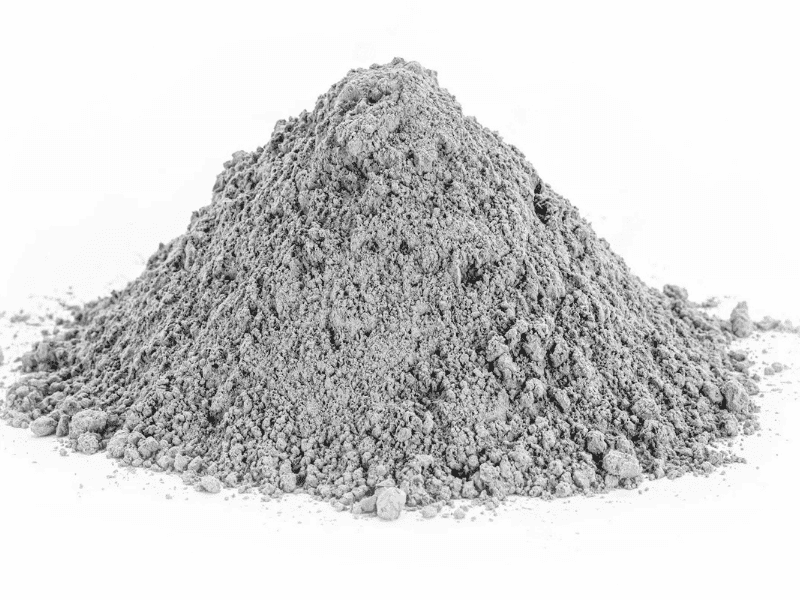
Zinc dust for sale has become an important commodity due to its high reactivity and effective metal protection function. Zinc powder serves a wide range of functions in modern industries such as painting, metallurgy, batteries, and agriculture. This material typically has a purity of between 90% and 99.9%, with particle sizes ranging from sub-micron to hundreds of micrometers.
Zinc powder has a bluish-gray color and a density of around 7.14 g/cm³. Its melting point reaches 419.5°C, and its boiling point is around 907°C, making it stable in many industrial applications. Its large surface area makes this material highly reactive and efficient in various production processes.
The Important Role of Zinc Dust in Anti-Corrosion Protection
Zinc dust is often used in the manufacture of zinc-rich coatings that protect steel and iron from corrosion. This coating acts as a sacrificial anode, preventing oxidation on metal surfaces. This coating allows structures such as bridges, ships, and industrial pipes to have a lifespan of up to 50% longer.
The use of zinc powder in galvanizing also helps form a zinc-iron alloy layer that is resistant to extreme weather. The sherardizing process is often used to coat small components such as bolts and screws. This method increases rust resistance without reducing the material’s mechanical strength.
Applications of Zinc Dust in the Chemical and Energy Industries
Zinc dust for sale functions as a reducing agent in various industrial chemical reactions. Furthermore, this material is useful in the production of dyes, pharmaceuticals, and chemical compounds such as zinc oxide and zinc chloride. The efficiency of chemical reactions is increased because zinc powder has a large surface area and fast reaction times.
In the battery industry, electrochemically active zinc powder is used in alkaline and zinc-carbon batteries. This material increases energy density and discharge efficiency. Modern battery technology also utilizes zinc powder to achieve stable performance with production costs reduced by up to 30%.
Contribution of Zinc Dust in Metallurgy and Mining
Zinc dust plays a crucial role in metallurgical processes such as the manufacture of copper-zinc-based brass alloys. This alloy increases the metal’s strength and resistance to wear. Powder metallurgy techniques also allow for the formation of complex components with improved corrosion resistance.
In the mining industry, zinc powder is used to separate precious metals such as gold and silver through the cyanidation process. Zinc reacts with the metal solution and helps precipitate the valuable metals in solid form. This process requires zinc powder with a precise particle size distribution for optimal results.
Quality and Safety Standards for Zinc Dust
Zinc dust for sale must meet international quality standards such as ASTM B817 and ISO 3549 to ensure consistent performance. Purity levels typically range from 95% to 99.9% and significantly impact their effectiveness in industrial applications. Particle size distribution also determines the reaction rate and stability of the final product.
Handling zinc powder requires personal protective equipment such as gloves, goggles, and a respirator. This material is also flammable in powder form, so it should be stored at temperatures below 25°C and away from moisture. Furthermore, proper storage helps maintain quality and reduces occupational safety risks.
Zinc powder also has environmental impacts if not managed properly. Exposure to aquatic ecosystems can harm microorganisms and fish. Zinc recycling systems offer a solution to support sustainable industrial practices while reducing production waste.
The use of zinc dust for sale continues to grow due to its cost-efficiency and long-term protection across various industrial sectors. This material helps reduce maintenance costs by up to 60% throughout the lifecycle of infrastructure. The combination of durability, application flexibility, and economic value makes zinc dust a crucial material for modern industrial development.

Related Posts